min read
India’s EV story is picking up speed—and it’s no longer just about early adopters or policy pushes. In FY 2024–25 alone, over 20 lakh electric vehicles hit the roads, marking a solid 15.68% growth from the previous year. From zippy e-2Ws leading the charge to a noticeable rise in electric four-wheelers and e-rickshaws, it’s clear that EVs are becoming a part of everyday life. With nearly 8% of all vehicle sales now electric, this isn’t a trend—it’s a shift. And as more EVs change hands, the resale market is quietly gearing up to be the next big chapter in India’s green mobility journey.
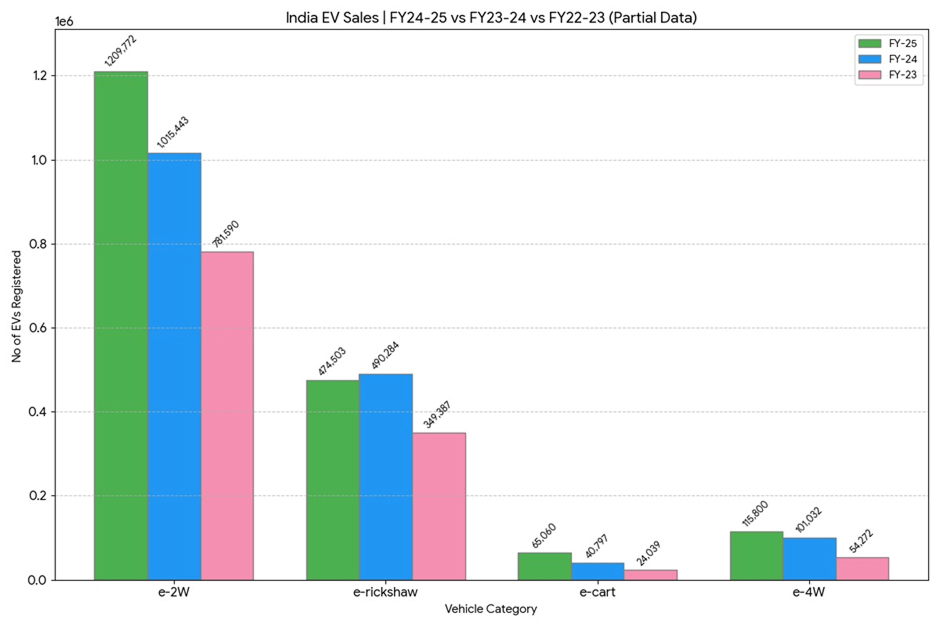
It's no surprise that electric two-wheelers are steering India’s EV revolution. Making up nearly 60% of all EVs sold in FY 2024–25, they’re clearly the go-to choice for many. From office commutes to quick city errands, e-2Ws have become a practical, planet-friendly option for millions. With over 12 lakh units sold, they now account for 6.2% of all two-wheelers in the country—a small number with massive potential. Backed by strong players like Ola Electric, which alone grabbed a 30% market share, this segment is not just buzzing—it’s booming. EV penetration also grew in the 3W (L5) passenger segment, jumping to 22.8%, and touched 2.7% in 4Ws. As the volume of EVs on the road grows, the question now is: what happens when first-time buyers become sellers? That’s where the EV resale market comes into play. And it's just getting started.
In the evolving narrative of sustainable mobility, the story of electric vehicles (EVs) is no longer confined to futuristic features. The real revolution is quietly gaining momentum—in the pre-owned market. And at the helm of this movement stands Shriram Automall India Limited (SAMIL), championing a shift few had anticipated: giving EVs a powerful second life.
“Sustainability isn't achieved when you buy green. It’s realised when you reuse green.”
For SAMIL, which has been a pioneer in the organized pre-owned vehicles and equipment marketplace, this is more than just philosophy—it's action.
The EV revolution in India has begun to show signs of maturity. With rising EV adoption in both private and fleet categories, the first wave of electric vehicles is now reaching the end of its initial ownership cycle. What happens next could determine whether EVs become a true long-term sustainable solution—or a short-lived trend.
The challenge is layered. Unlike internal combustion engine (ICE) vehicles, EVs carry different resale considerations—battery health, residual range, charging infrastructure access, and even software updates. Traditional resale ecosystems are simply not designed for this level of technical scrutiny. This is where SAMIL’s integrated auction and inspection model begins to reshape the equation.
Through its ‘Green Auctions’ initiative, SAMIL has introduced a structured platform for the resale of EVs, enabling institutional sellers, fleet owners, and even individual users to liquidate assets responsibly. More importantly, it helps second-hand buyers access EVs with certified inspections, transparency on battery life, and verified ownership documentation—critical components in an evolving EV economy.
SAMIL views this as the natural extension of its ethos. “We didn’t just digitise used vehicle buying; we de-risked it. Now we’re doing the same for EVs, with sustainability stitched into the value chain.”
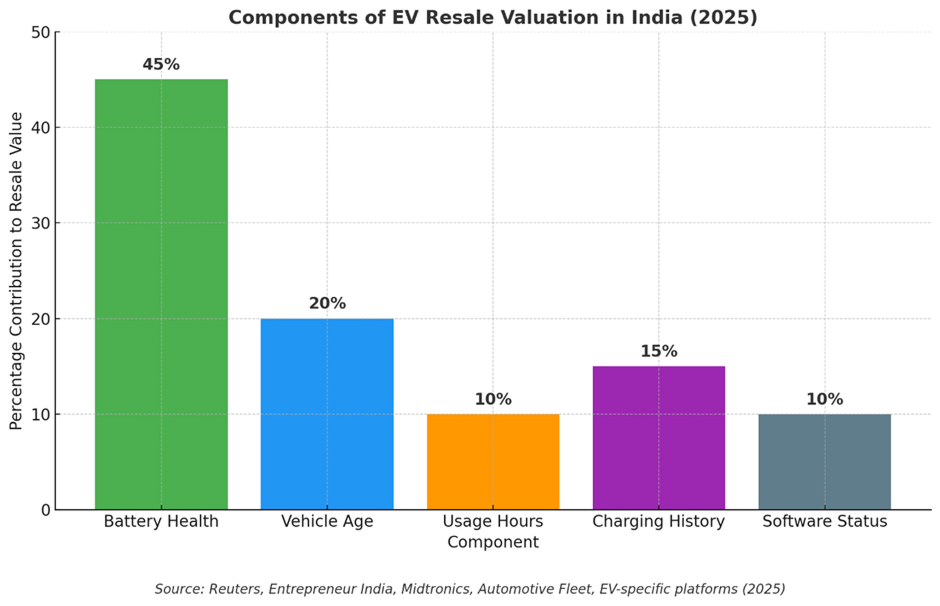
One of the key apprehensions around EV resale has been battery degradation. However, advancements in battery management systems and transparent telematics data are reducing this anxiety.
There’s also a behavioural shift at play. Urban buyers, gig-economy workers, and even logistics SMEs are now looking at second-hand EVs as viable entry points to electric mobility. In rural or tier 2 markets, EVs used in agriculture or small-scale logistics are becoming aspirational assets—provided they come with a trust layer. SAMIL plans to become that trust bridge.
If estimates hold true, as per The Economic Times, India’s used EV market could grow at a CAGR of 35% over the next five years, far outpacing new EV sales growth. And with policy nudges like FAME-II, state-level subsidies, and scrappage incentives, resale viability is getting a further push.
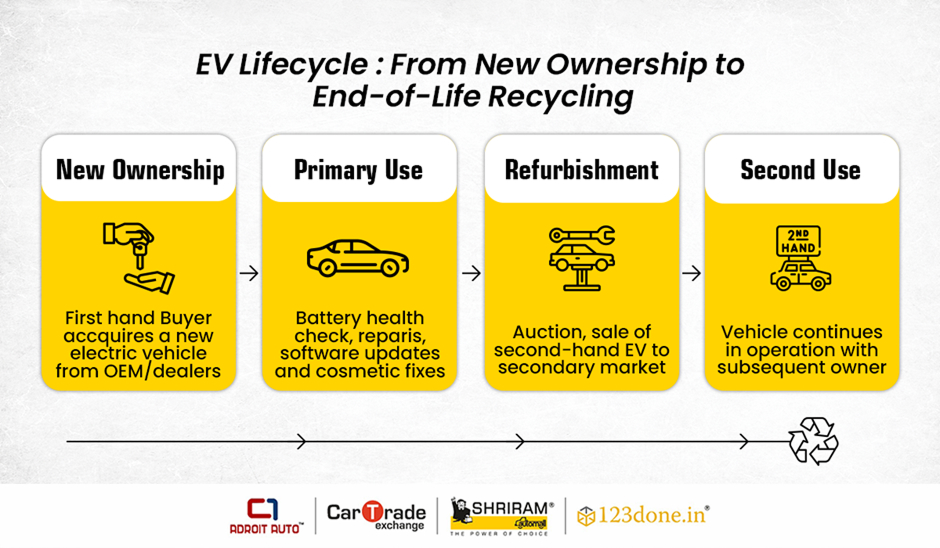
SAMIL’s omni-channel auction model—spanning 135+ Automalls and digital platforms—means EV resale is no longer restricted to major metros. Remote buyers can inspect, bid, and acquire electric vehicles with complete digital documentation, even arrange financing and insurance. This democratises access to EVs, which is vital for India’s larger climate goals.
What makes the EV resale market powerful is not just environmental impact, but economic inclusion. Every resold EV represents carbon savings, yes—but also income generation, skill creation, and tech penetration in markets that were once peripheral.
SAMIL often reminds its teams that every green auction is a story of redemption—for the vehicle, the buyer, and the planet. We are more than ready to bring the Green Revolution and adapt to ways to ensure that the EV resale market thrives.
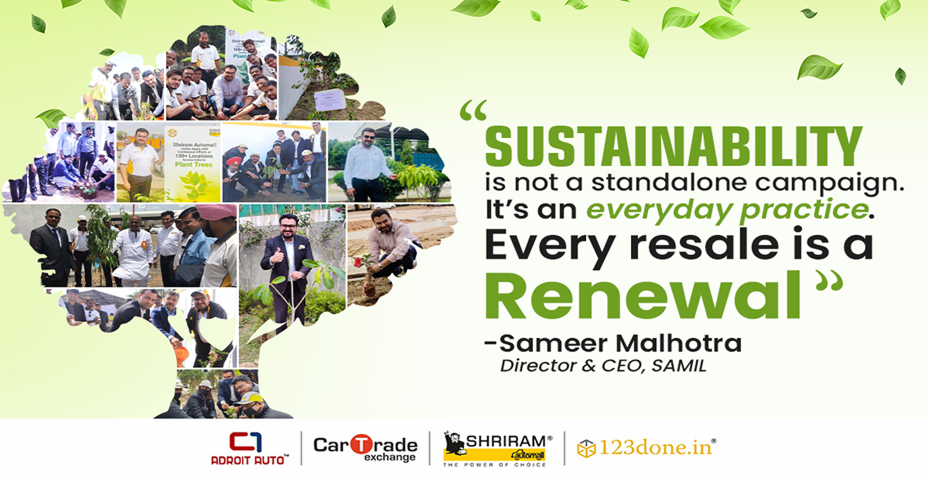
As India strides towards its net-zero ambition, the EV resale market might just be its most unassuming hero. And in SAMIL’s yards, gavel by gavel, that quiet revolution is already underway.
A Comprehensive Year-End Analysis of India's Pre-Owned Automotive Industry
AI in Auto Auctions: Predicting Demand, Pricing & Future Inventory
SAMIL Shines at Bharat Mobility Global Expo 2025: A Game Changer for the Pre-Owned Vehicle Market
CIRCULAR ECONOMY & PRE-OWNED ASSETS: A SUSTAINABLE FUTURE
Community Engagement: SAMIL's Commitment to Social Responsibility