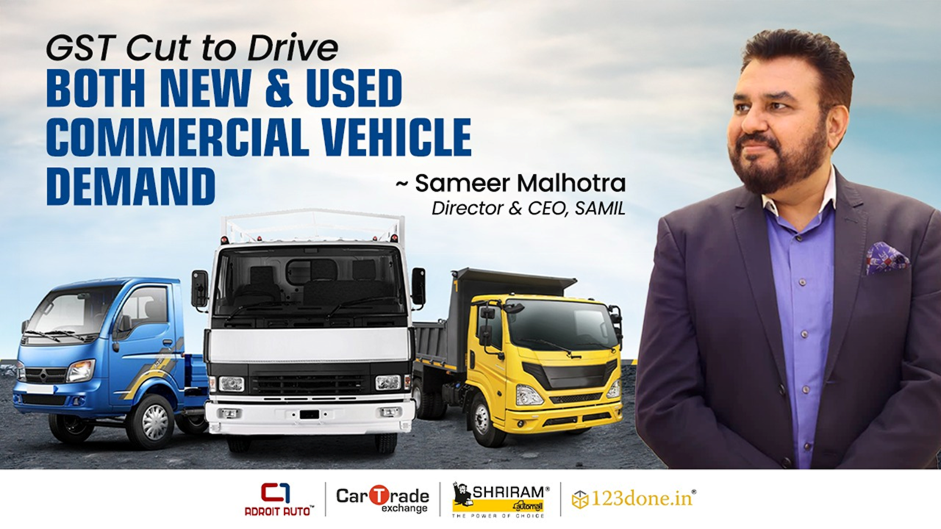
The tax reform that was once seen primarily as a compliance exercise is now reshaping India’s commercial mobility landscape. GST 2.0, with its simplified tax slabs and reduced rates for commercial vehicles, is no longer just about fiscal clarity—it is about rewriting buyer behavior, unlocking affordability, and setting the stage for long-term growth in both new and used truck markets.
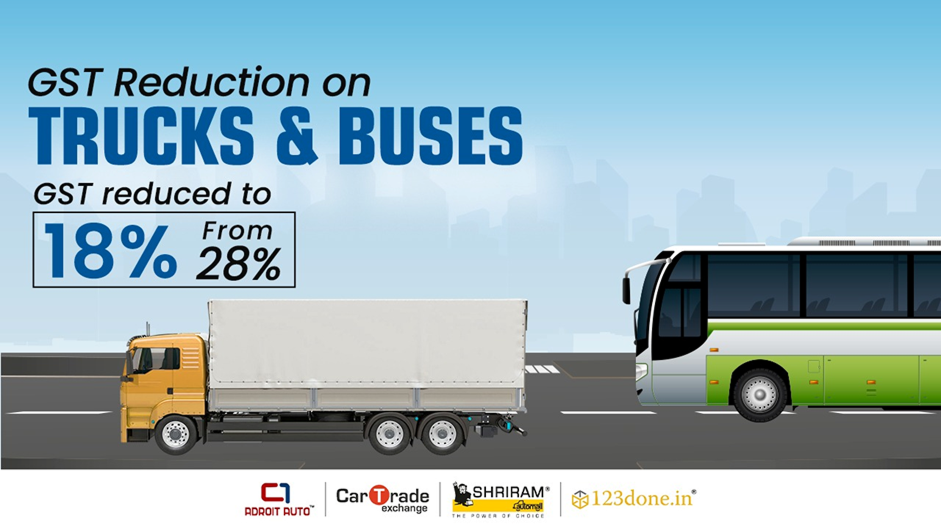
One of the most impactful reforms under GST 2.0 has been the rationalization of tax rates for commercial vehicles, including trucks and buses. The reduction of GST from 28% to 18% on these vehicles is expected to significantly lower procurement costs, boost fleet expansion, and enhance overall demand in the industry.
This reform delivers a notable reduction in the total cost of ownership (TCO) for fleet operators. For heavy trucks, net savings could range between ₹3–5 lakhs per unit, while for LCVs and MCVs, the benefits are equally attractive at ₹50,000–2 lakhs. Such savings are expected to accelerate fleet renewals, drive new purchases, and strengthen overall industry growth.
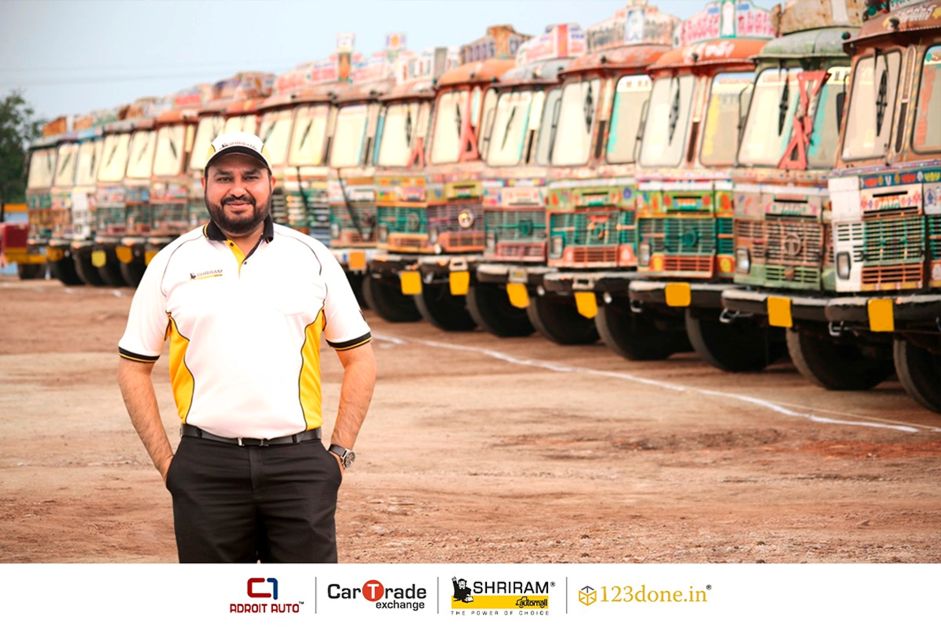
In a country where trucks power the supply chain and buses connect communities, the ripple effect of GST 2.0 goes far beyond numbers. It is already influencing how small fleet owners, logistics firms, and individual truck operators make business decisions. At the heart of this transformation lies the used commercial vehicle (CV) market—poised to gain momentum from multiple directions.
1. Future Base Expansion Through New CV Sales
GST 2.0 is making new commercial vehicles more affordable, which is expected to stimulate stronger new CV sales. Each new truck sold today builds the foundation for tomorrow’s pre-owned market. This cycle ensures that the used truck ecosystem will expand steadily, as today’s new vehicles transition into tomorrow’s supply of pre-owned options.
2. Price Correction Driving Used Truck Demand
As new truck prices decline post-GST 2.0, the pre-owned segment will experience a natural price correction. For small and medium fleet operators, this creates a lucrative buying opportunity. More affordable used trucks will attract first-time buyers, rural operators, and SMEs who seek cost-effective yet reliable mobility solutions.
3. Enhanced Supply from Fleet Upgrades
Many truck owners had delayed upgrades due to tax uncertainties. With GST 2.0 providing clarity, they are now likely to sell existing vehicles and purchase newer models. This shift will significantly enhance the supply of quality used trucks, giving buyers a wider selection and better value for money.
The used commercial vehicle industry is no longer a fallback—it has become a strategic choice. SMEs and fleet operators prefer pre-owned trucks for quick deployment, operational flexibility, and strong value for money.

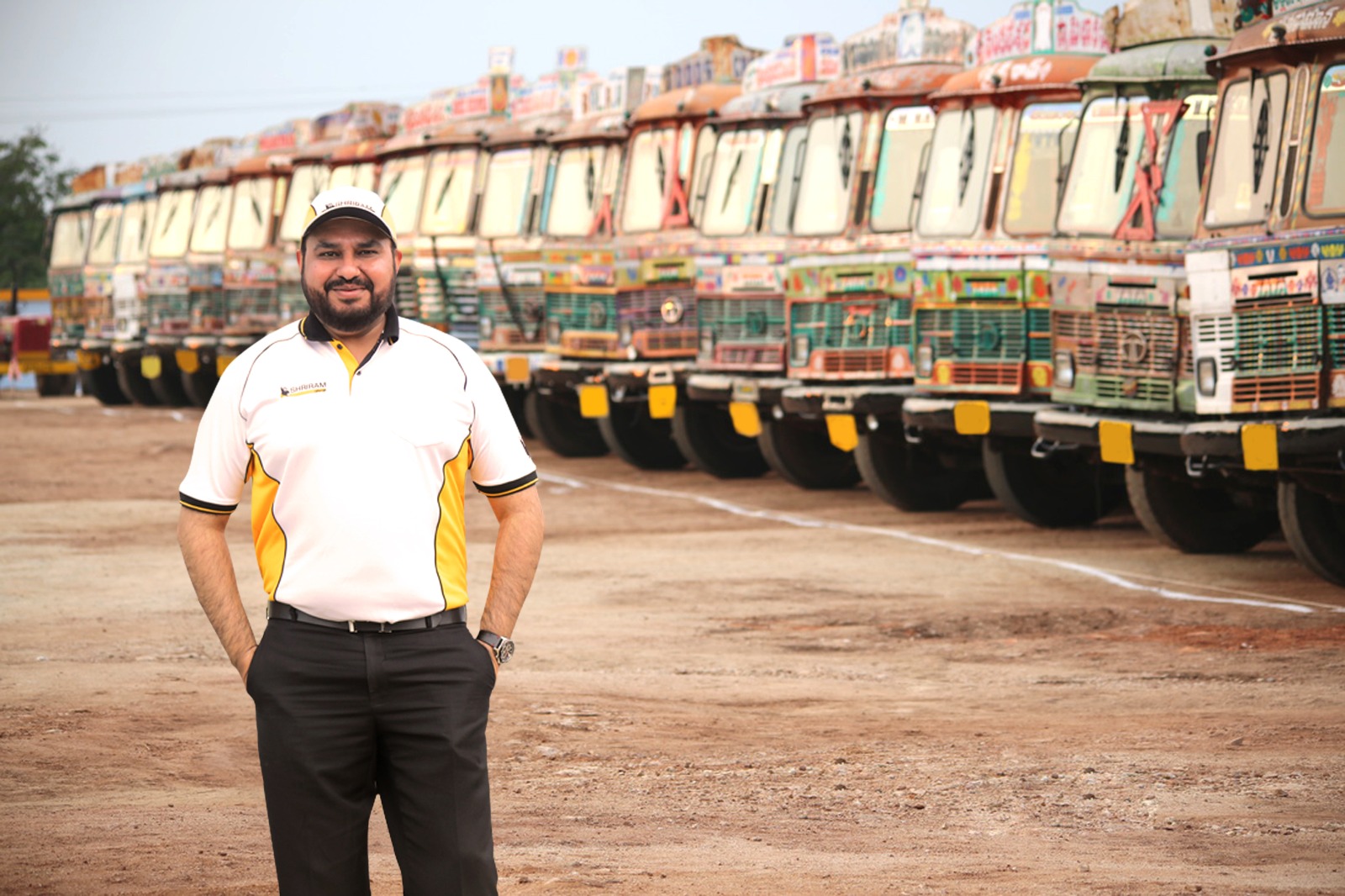
Technology-driven platforms like Shriram Automall India Limited (SAMIL) have brought transparency, trust, and structure to this market. With over 6,40,000 used commercial vehicles successfully sold, SAMIL stands as the trusted pioneer in India’s organized pre-owned CV industry.
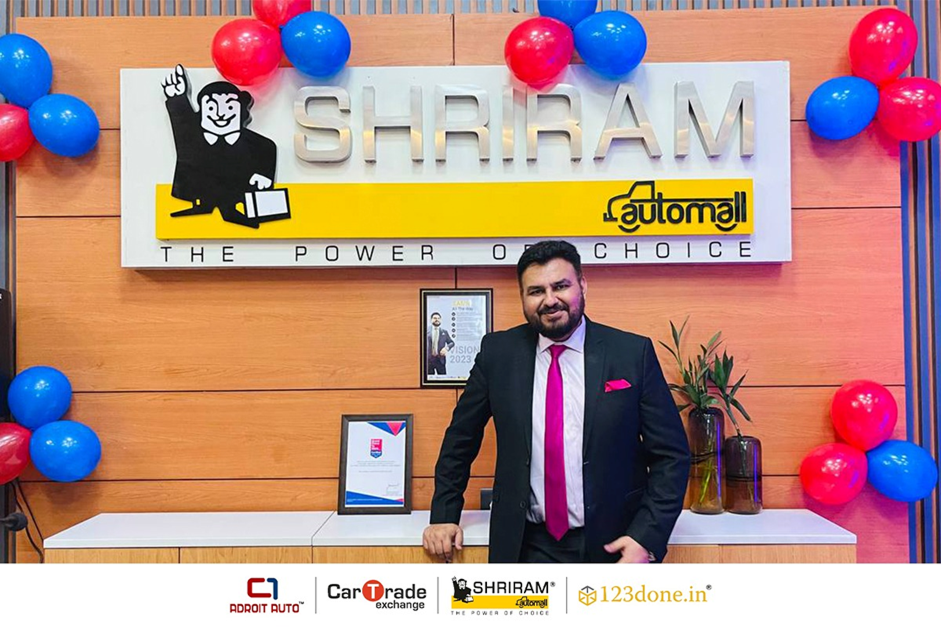
By aligning with GST 2.0, SAMIL aims to consolidate its leadership by:
This two-pronged approach ensures that auctions remain the preferred choice for both buyers and sellers of used trucks.
With GST 2.0 unlocking affordability, encouraging upgrades, and broadening the market base, the used truck industry is set for accelerated growth. Infrastructure development, rural demand, and fleet modernization will further fuel this momentum.
What was once a reform about compliance has now become a catalyst for transformation. GST 2.0 is:
Together, these forces will make the used truck market a cornerstone of India’s mobility ecosystem for years to come.

Shriram Automall: Reinventing Construction, Reshaping the Future

Impact of gst 2.0 reforms on the used vehicle segment: a commercial vehicle perspective

Gst 2.0 and the used vehicle revolution: why trucks will drive the next big shift

Mileage of a movement: how a phygital dream redefined indian transport
Accelerating Tomorrow: Decoding India’s Used Commercial Vehicle Market in FY 2025-26